
● 2026-08-05
Stratum V1 vs V2: โปรโตคอลที่ขุด Bitcoin มาตลอด 10 ปี กับเวอร์ชันที่อยากคืนอำนาจกลับให้นักขุด
#bitcoin #mining #protocol #decentralization
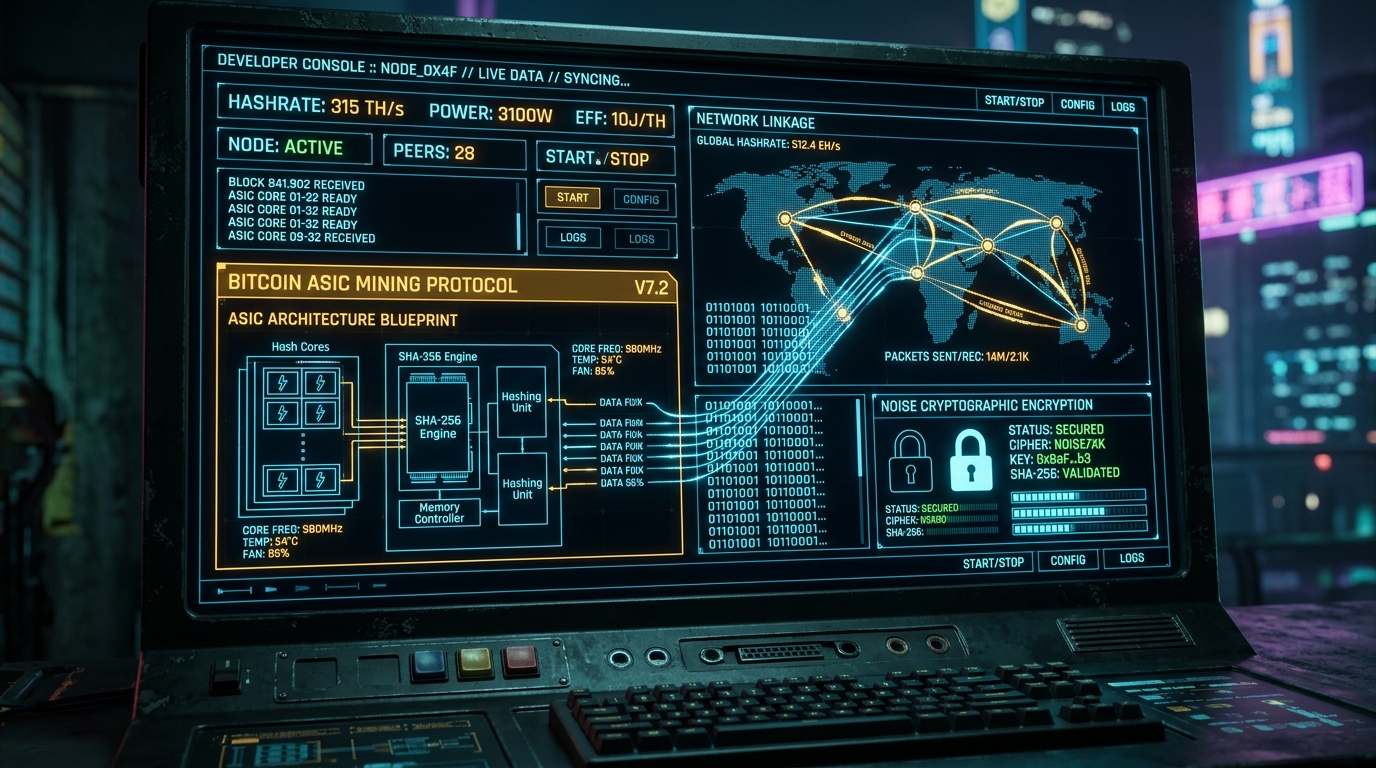
สรุปสั้น: Stratum V1 ถูกสร้างในปี 2012 โดย Marek “Slush” Palatinus เพื่อแก้ปัญหาของ getwork protocol เดิม — และมันทำงานได้ดีมากว่า 10 ปี แต่ใต้ความสำเร็จนั้นมีจุดอ่อนสำคัญ 3 อย่าง: ไม่มี encryption (ข้อมูลทั้งหมดเดินทางแบบ plaintext), pool ควบคุม block template ทั้งหมด (นักขุดไม่มีสิทธิ์เลือก transaction), และ hashrate hijacking (ผู้โจมตีสามารถขโมย 1-2% ของ hashrate ไปเงียบๆ) Stratum V2 (2019) แก้ทุกจุดด้วย binary protocol, Noise Framework encryption, และ Job Negotiation Protocol ที่ให้นักขุดสร้าง block template เองได้ครั้งแรก — ลด censorship risk และเพิ่ม efficiency สูงสุด ~7% ณ กลางปี 2026 มี hashrate ~15-20% ที่ใช้ V2 แล้ว และ 7 pool ใหญ่ที่ครอง ~75% ของ global hashrate เพิ่งเข้าร่วม V2 Working Group
สารบัญ
- Stratum คืออะไร — และทำไมมันสำคัญ
- Stratum V1: โปรโตคอลที่ขับเคลื่อน Bitcoin Mining มา 12 ปี
- ปัญหาของ V1: เมื่อ “พอใช้งานได้” ไม่เพียงพออีกต่อไป
- Stratum V2: สถาปัตยกรรมใหม่ทั้งหมด
- 3 Sub-protocols ของ V2
- Job Negotiation: หัวใจของ V2 ที่เปลี่ยนเกม
- OCEAN’s DATUM Protocol: เส้นทางคู่ขนาน
- Timeline
- Adoption ในปี 2026: ใกล้แล้วแต่ยังไม่ถึง
- ผลกระทบต่อ Bitcoin Decentralization
- บทเรียน
- อ้างอิง
Stratum คืออะไร — และทำไมมันสำคัญ
ทุกครั้งที่ ASIC miner ของคุณ “ขุด” Bitcoin มันกำลังทำอะไรอยู่? มันพยายาม hash header ของ block ซ้ำๆ จนกว่าจะได้ผลลัพธ์ที่ต่ำกว่า target difficulty ที่ network กำหนด — แต่มันจะรู้ได้ยังไงว่าต้อง hash อะไร? ใครเป็นคนส่งข้อมูลนั้นมาให้?
คำตอบคือ Stratum protocol — โปรโตคอลที่ทำหน้าที่เป็นสะพานการสื่อสารระหว่าง mining pool กับ ASIC miner แต่ละตัว มันบอก miner ว่า:
- ควร hash อะไร (block header data)
- difficulty target ในตอนนี้คือเท่าไหร่
- share ที่ submit มาถูกต้องหรือเปล่า
โดยพื้นฐานแล้ว Stratum คือ “ภาษา” ที่ pool กับ miner ใช้คุยกัน — และ “ภาษา” นี้กำหนดว่าใครมีอำนาจตัดสินใจอะไรในกระบวนการขุด Bitcoin ทั้งหมด
Stratum V1: โปรโตคอลที่ขับเคลื่อน Bitcoin Mining มา 12 ปี
Stratum V1 ถูกสร้างในปี 2012 โดย Marek “Slush” Palatinus ผู้ก่อตั้ง Slush Pool (ปัจจุบันคือ Braiins Pool) — pool Bitcoin แรกของโลก เขาสร้างมันขึ้นมาเพื่อแทนที่ getwork protocol เดิมที่ออกแบบสำหรับการขุดด้วย CPU และ GPU ไม่ใช่ ASIC ขนาดใหญ่
โครงสร้างของ V1 เรียบง่ายมาก: JSON-RPC over plain TCP
// Pool → Miner: ส่ง mining job
{
  "id": null,
  "method": "mining.notify",
  "params": [
    "job_id_001",
    "previous_block_hash_here",
    "coinbase_prefix",
    "coinbase_suffix",
    ["merkle_branch_1", "merkle_branch_2"],
    "version",
    "nbits",
    "ntime",
    true
  ]
}

// Miner → Pool: submit share
{
  "id": 4,
  "method": "mining.submit",
  "params": [
    "worker_name",
    "job_id_001",
    "extra_nonce_2",
    "ntime",
    "nonce"
  ]
}
ทุก message เป็น JSON string ที่มนุษย์อ่านได้ — ส่งผ่าน TCP แบบไม่มี encryption ทั้งหมด
ความเรียบง่ายนี้เองที่ทำให้ Stratum V1 ประสบความสำเร็จอย่างล้นหลาม: implement ง่าย, debug ง่าย, และ compatible กับ hardware ทุกรุ่น ภายในเวลาไม่กี่ปี มันกลายเป็น de facto standard ของ Bitcoin mining ทั่วโลก
ปัญหาของ V1: เมื่อ “พอใช้งานได้” ไม่เพียงพออีกต่อไป
ฉบับขำๆ — วิทยุสื่อสารในยุคสมาร์ทโฟน
ลองนึกภาพโรงงานขนาดใหญ่ที่ใช้วิทยุสื่อสารแบบเก่า (walkie-talkie) ในการสื่อสาร — ได้ยินทุกอย่างที่คุยกัน ทั้งออร์เดอร์, รหัสตู้เซฟ, และแผนการทำงาน ใครก็ตามที่มีเครื่องรับความถี่เดียวกันนั่งฟังอยู่ก็จะได้ยินทุกอย่างโดยไม่มีใครรู้
นอกจากนั้น หัวหน้าโรงงาน (pool) เป็นคนตัดสินใจทุกอย่าง — คนงาน (miner) ทำได้แค่ทำตามคำสั่งโดยไม่มีสิทธิ์โต้แย้ง และบางครั้งมีคนแอบสวมรอยเป็น “หัวหน้าปลอม” แล้วเบี่ยงงานของคนงานให้ไปทำงานให้ตัวเองแทน โดยไม่มีใครรู้จนกว่าจะสายเกินไป
นั่นคือ Stratum V1 ในปี 2024
จุดอ่อน 3 ด้าน
1. ไม่มี Encryption — ข้อมูลทุกอย่างเดิน plaintext
ข้อมูลทั้งหมดที่วิ่งอยู่บน Stratum V1 มองเห็นได้ด้วยตาเปล่า:
- Username / password ของ pool account
- Wallet address ที่รับรางวัล
- ทุก share ที่ submit
ผู้โจมตีที่อยู่ระหว่าง miner กับ pool (man-in-the-middle) สามารถอ่านและดัดแปลงข้อมูลเหล่านี้ได้แบบ real-time
2. Hashrate Hijacking — ขโมย hashrate แบบเงียบๆ
เพราะไม่มี authentication ที่แน่นหนา ผู้โจมตีสามารถ “แทรกตัว” เป็น pool ปลอมระหว่าง miner กับ pool จริงได้ แล้วเบี่ยง mining job ให้ miner ไปขุดให้ address ของผู้โจมตีแทน — ขโมยได้ประมาณ 1-2% ของ hashrate โดยที่ operator ไม่รู้ตัวทันที
3. Pool ควบคุม Block Template ทั้งหมด — Centralization ระดับ Protocol
นี่คือปัญหาเชิง decentralization ที่ใหญ่ที่สุด
ใน Stratum V1 pool เป็นคนตัดสินใจทั้งหมดว่า transaction ใดจะถูกใส่เข้าไปใน block นักขุดทำได้แค่รับ job แล้วไปหา nonce — ไม่มีสิทธิ์เลือก ไม่มีสิทธิ์โต้แย้ง
ปัญหาของเรื่องนี้เห็นชัดในเหตุการณ์จริง: ในเดือนพฤษภาคม 2021 Marathon Digital ขุด block ที่จงใจกรอง transaction ที่เกี่ยวข้องกับที่อยู่ในรายการ SDN (Specially Designated Nationals) ออก — พิสูจน์ว่า pool มีอำนาจเซ็นเซอร์ transaction ได้จริงๆ ระดับ protocol
เมื่อรวมกับยุคที่ Ordinals/BRC-20 ระบาด pools บางแห่งก็เริ่มตัดสินใจว่าจะ include หรือ exclude inscription transaction ขึ้นอยู่กับ policy ของตัวเอง — ทั้งหมดนี้เกิดขึ้นโดยที่นักขุดไม่มีทางเลือก
| ปัญหา | ผลกระทบ | ระดับความร้ายแรง |
|---|---|---|
| ไม่มี encryption | ข้อมูล credential, wallet address, shares เปิดเผยทั้งหมด | สูง |
| Hashrate hijacking | สูญเสีย 1-2% hashrate โดยไม่รู้ตัว | กลาง-สูง |
| Pool controls block template | Censorship, centralization ระดับ protocol | สูงมาก |
| JSON overhead | bandwidth เสีย 30-40% เกินจำเป็น | กลาง |
| Latency สูง | job delivery ~228ms ทำให้ stale shares เพิ่ม | กลาง |
Stratum V2: สถาปัตยกรรมใหม่ทั้งหมด
Stratum V2 ถูก spec ในเดือนพฤศจิกายน 2019 โดยทีมจาก Braiins — Jan Capek และ Pavel Moravec — ร่วมกับ Matt Corallo นักพัฒนา Bitcoin Core ที่รู้จักกันดีในวงการ
เป้าหมายไม่ใช่แค่ “patch” V1 แต่เป็น redesign จากศูนย์ เพื่อแก้ปัญหาเชิงสถาปัตยกรรมทั้งหมดในครั้งเดียว
Binary Protocol — ลาก่อน JSON
ทุก message ใน V2 เป็น compact binary format แทน JSON:
// V1 JSON message (human-readable, ~200 bytes)
{"id":4,"method":"mining.submit","params":["worker","job01","00000000","5e4d3b2a","1a2b3c4d"]}

// V2 Binary message (~50-60 bytes equivalent)
[header 6 bytes][job_id 4 bytes][nonce2 4 bytes][ntime 4 bytes][nonce 4 bytes]
ผลลัพธ์: bandwidth ลดลง ~70% สำหรับ message ขนาดเล็ก, job delivery latency หล่นจาก ~228ms เหลือ <2.5ms
Noise Protocol Framework — Encryption + Authentication
V2 ใช้ Noise_NX handshake pattern ซึ่งให้ทั้ง:
- Confidentiality — ข้อมูลทุกอย่างถูก encrypt (ChaCha20-Poly1305 หรือ AES-256-GCM)
- Authentication — miner ยืนยัน identity ของ pool ได้ผ่าน Schnorr signature certificate
- Message integrity — ตรวจจับการดัดแปลงข้อมูลระหว่างทาง
- Hashrate hijacking protection — cryptographically impossible เมื่อ authentication สมบูรณ์
ตารางเปรียบเทียบหลัก
| คุณสมบัติ | Stratum V1 | Stratum V2 |
|---|---|---|
| Wire format | JSON plaintext | Binary encrypted |
| Encryption | ไม่มี | Noise Framework (ChaCha20/AES-256) |
| Authentication | ไม่มี | Certificate-based (Schnorr) |
| Block construction | Pool เท่านั้น | Miner หรือ pool |
| Bandwidth | ฐาน 100% | ลดลง ~70% |
| Job latency | ~228ms | <2.5ms |
| Hashrate hijacking | เสี่ยง | ป้องกันได้ |
| Stale share rate | สูงกว่า | ต่ำกว่า |
3 Sub-protocols ของ V2
สิ่งที่ทำให้ V2 ยืดหยุ่นกว่า V1 มากคือมันถูกออกแบบเป็น 3 sub-protocols ที่แยกกัน ซึ่ง deploy ได้อิสระหรือรวมกัน:
1. Mining Protocol (Core Layer)
Foundation ของทุกอย่าง — รับผิดชอบ:
- การส่ง mining job จาก pool ไป miner
- การ submit shares กลับ
- การปรับ difficulty อัตโนมัติ
นี่คือส่วนที่ให้ประโยชน์ด้าน encryption, bandwidth, และ latency ทันที โดยไม่ต้องเปลี่ยนส่วนอื่น pool ส่วนใหญ่ที่รองรับ V2 เริ่มจาก layer นี้ก่อน
2. Job Negotiation Protocol (Decentralization Layer)
หัวใจของการเปลี่ยนแปลง — ให้ miner สร้าง block template เองแล้ว “negotiate” กับ pool แทนที่จะรับ template จาก pool ฝ่ายเดียว (รายละเอียดในหัวข้อถัดไป)
3. Template Distribution Protocol (Efficiency Layer)
แทนที่ getblocktemplate interface เก่าด้วย mechanism ที่ optimize สำหรับ V2’s binary format โดยเฉพาะ ทำหน้าที่แจกจ่าย block template จาก Bitcoin node ไปยัง mining software อย่างมีประสิทธิภาพ
Bitcoin Core v28.0+ มี experimental support สำหรับ Template Distribution Protocol แล้ว
Job Negotiation: หัวใจของ V2 ที่เปลี่ยนเกม
ถ้า encryption และ binary format คือการ “upgrade hardware” ของ protocol แล้ว Job Negotiation Protocol คือการ “เปลี่ยน power dynamics” ของ Bitcoin mining ทั้งหมด
ใน V1 (ปัจจุบัน)
Pool → สร้าง block template (เลือก transactions เอง)
Pool → ส่ง job ให้ Miner
Miner → iterate nonces
Miner → submit shares
Pool → จ่าย reward
นักขุดไม่มีส่วนร่วมในการตัดสินใจเรื่อง transaction เลย
ใน V2 ด้วย Job Negotiation
Miner → รัน Bitcoin full node (มี mempool copy)
Miner → สร้าง block template เอง (เลือก transaction เอง)
Miner → submit template ไปให้ Pool ผ่าน V2
Pool → ตรวจแค่ coinbase output (ว่า reward allocation ถูกต้องไหม)
Pool → approve template (ไม่แตะ transaction list)
Miner → ขุดตาม template ของตัวเอง
Miner → ถ้าเจอ block → broadcast เอง
ความแตกต่างที่สำคัญ: pool ไม่สามารถ reject template เพราะ transaction content ได้อีกต่อไป (ในทางทฤษฎี) — ทำได้แค่ verify ว่า coinbase reward allocation ถูกต้องหรือเปล่า
Fallback Mechanism
ถ้า pool reject template ด้วยเหตุผลที่ไม่สมเหตุสมผล Job Declarator Client จะ automatically fallback ไปยัง pool อื่นหรือ solo mining — ป้องกันการถูก force ให้ participate ใน censorship
ผลลัพธ์ด้าน Decentralization
ก่อน V2: ถ้า 4 pool ใหญ่ถูก compromise พร้อมกัน ความสามารถในการเซ็นเซอร์ transaction จะกระจุกอยู่ที่ pool operators ทั้ง 4 คน
หลัง V2 + Job Negotiation: นักขุดแต่ละคนคือ “ด่านตรวจ” ของตัวเอง — ถ้า pool เริ่ม reject valid templates นักขุดจะรู้ทันที และสามารถย้าย pool หรือ solo mine ได้ก่อนที่การ attack จะมีผล
สิ่งที่ Job Negotiation ปกป้องโดยตรง: Lightning force-close transactions, HTLC timeout claims, และ justice transactions ทั้งหมดที่ layer-2 ต้องพึ่งพาการ confirm บน Bitcoin — ถ้า pool สามารถเซ็นเซอร์ได้ ความ “trustless” ของ Lightning Network จะพัง
ข้อจำกัดของ Job Negotiation
Job Negotiation ไม่ใช่ magic bullet — มันมีต้นทุนจริง:
- นักขุดต้องรัน Bitcoin full node (storage ~600+ GB, bandwidth, compute)
- ต้อง maintain mempool copy ที่ sync อยู่ตลอดเวลา
- ต้องมี connectivity ที่ดีพอเพื่อ propagate template ได้เร็ว
สำหรับ miner บ้านขนาดเล็กที่รัน 1-2 ตัว ต้นทุนนี้อาจสูงเกินไป — ทำให้ Job Negotiation ในทางปฏิบัติยังเป็นของ industrial miners เป็นส่วนใหญ่
OCEAN’s DATUM Protocol: เส้นทางคู่ขนาน
ในขณะที่ Stratum V2 เลือกแก้ปัญหาด้วยการ redesign protocol ใหม่ทั้งหมด OCEAN Mining เลือกเส้นทางต่าง: DATUM (Decentralized Alternative Templates for Universal Mining)
DATUM ทำงานยังไง?
Miner → รัน Bitcoin full node + DATUM Gateway
Miner → สร้าง block template เอง (เลือก transactions)
Miner → submit งานไป OCEAN สำหรับ reward coordination
OCEAN → จัดการเรื่อง variance smoothing เท่านั้น
ผลลัพธ์เหมือนกัน: นักขุดเลือก transaction เอง — แต่วิธีต่างกัน
เปรียบเทียบ V2 Job Negotiation กับ DATUM
| คุณสมบัติ | Stratum V2 Job Negotiation | OCEAN DATUM |
|---|---|---|
| Protocol base | V2 binary (ต้องเปลี่ยน firmware) | V1 compatible (ไม่ต้องเปลี่ยน firmware) |
| Hardware requirement | V2-compatible firmware | ไม่ต้องเปลี่ยน |
| Node requirement | ต้องรัน full node | ต้องรัน full node + DATUM Gateway |
| Adoption barrier | สูงกว่า | ต่ำกว่า |
| Pool compatibility | หลาย pool | OCEAN only |
| First block | - | 30 กันยายน 2024 |
DATUM เป็น “pragmatic path” — ไม่ต้องรอให้ทุก pool adopt V2 แต่ก็ tie อยู่กับ OCEAN เท่านั้น
Timeline
| วันที่ | เหตุการณ์ |
|---|---|
| 2012 | Marek “Slush” Palatinus สร้าง Stratum V1 สำหรับ Slush Pool — แก้ปัญหา getwork protocol เดิม |
| 2012–2020 | Stratum V1 กลายเป็น de facto standard ของ Bitcoin mining ทั่วโลก |
| 2019-11 | Jan Capek, Pavel Moravec (Braiins) + Matt Corallo (Bitcoin Core) เผยแพร่ Stratum V2 specification |
| 2020 | Braiins เผยแพร่ SRI (Stratum Reference Implementation) — open-source reference implementation |
| 2021-05 | Marathon Digital ขุด filtered block (เซ็นเซอร์ SDN addresses) — proof of concept ว่า pool ควบคุม censorship ได้จริง |
| 2022–2023 | Ordinals/BRC-20 boom — pools เริ่มมี policy ต่างกันว่าจะ include/exclude inscriptions |
| 2023 | DEMAND Pool ก่อตั้งเป็น V2-native pool แรก |
| 2024-09-30 | OCEAN Mining ขุด block แรกด้วย DATUM protocol |
| 2025-11 | DEMAND Pool เปิดตัว production-ready |
| 2026 ต้นปี | ~15-20% ของ global hashrate ย้ายมาใช้ V2 |
| 2026-05 | 7 pool ใหญ่ (Foundry, AntPool, F2Pool, SpiderPool, MARA, Block Inc., DMND) เข้าร่วม V2 Working Group — รวม ~75% ของ global hashrate |
| 2026 (คาด) | V2 เป็น default protocol ใน ASIC firmware ใหม่ — คาดแตะ 40-60% ของ hashrate |
Adoption ในปี 2026: ใกล้แล้วแต่ยังไม่ถึง
Pool ที่รองรับ V2 แล้ว (Production)
| Pool | สถานะ |
|---|---|
| Braiins Pool | Full V2 production — ผู้สร้าง protocol |
| DEMAND Pool | V2-native ตั้งแต่วันแรก (เปิดตัว Nov 2025) |
| OCEAN | DATUM protocol (V1-based แต่ decentralized template) |
Pool ที่อยู่ระหว่าง Testing
Foundry USA (34% hashrate), AntPool (~14%), F2Pool (~11%), SpiderPool (~10.5%), MARA Pool, Block Inc. — ทั้งหมดเข้าร่วม V2 Working Group ใน พฤษภาคม 2026 แต่ยังอยู่ในขั้นทดสอบ ไม่ใช่ production
Hardware Support
| อุปกรณ์ | สถานะ V2 |
|---|---|
| Antminer S21 / S23 | Native V2 support |
| Whatsminer รุ่นใหม่ | Native V2 support |
| Auradine Teraflux | Native V2 support |
| Antminer S19 | ผ่าน BraiinsOS+ firmware |
| Legacy hardware | ผ่าน SRI Translator Proxy (bridge V1 → V2 pool) |
| Bitaxe (AxeOS v2.14.0+) | Native V2 support |
ความเป็นจริงในการ Adopt
ตัวเลข “15-20% hashrate” ที่ใช้ V2 ส่วนใหญ่ใช้แค่ Mining Protocol (encryption + performance) — ยังไม่ได้ใช้ Job Negotiation จริงๆ เพราะต้องรัน full node เอง
Decentralized block construction ที่เป็น “killer feature” ของ V2 ยังอยู่ในขั้น early stage ในทางปฏิบัติ
ผลกระทบต่อ Bitcoin Decentralization
ประสิทธิภาพที่เพิ่มขึ้น (ตัวเลขจริง)
| แหล่งที่มาของการเพิ่มประสิทธิภาพ | ค่าประมาณ |
|---|---|
| Eliminating hashrate hijacking | ~1-2% |
| Transaction selection optimization (เลือก high-fee transactions เอง) | a few % |
| Stale share reduction (latency ต่ำลง) | ~1-2% |
| รวมสูงสุดภายใต้ ideal conditions | ~7% |
ผลต่อ Censorship Resistance
ในโลกที่ Job Negotiation ใช้งานกันทั่วไป:
- ไม่มี pool เดี่ยวที่มีอำนาจ block transaction ได้
- แม้ regulators กดดัน pool operator, นักขุดสามารถเลือก template เองได้
- Lightning Network, covenant-based smart contracts, และ DLC ทั้งหลายได้รับ censorship protection เพิ่มขึ้น
แต่ระหว่างทาง มีจุดหักมุมสำคัญ:
- Pool ยังควบคุม payout — ถ้า pool ไม่จ่ายสำหรับ block ที่มี “transaction ต้องห้าม” นักขุดก็ยังมีแรงจูงใจทางการเงินที่จะหลีกเลี่ยง transaction เหล่านั้น
- Adoption gap — ถ้า 80% ของ hashrate ยังใช้แค่ Mining Protocol ไม่ใช่ Job Negotiation decentralization benefit จะยังไม่เกิด
บทเรียน
1. Protocol Design = Power Design
การออกแบบ protocol ไม่ใช่แค่เรื่องเทคนิค — มันกำหนดว่าใครมีอำนาจตัดสินใจอะไร Stratum V1 ให้อำนาจทั้งหมดกับ pool operators โดยไม่ตั้งใจ V2 พยายามคืนอำนาจส่วนหนึ่งให้นักขุด แต่ต้องแลกกับ complexity ที่เพิ่มขึ้น
2. Backwards Compatibility มีราคา
Stratum V1 และ V2 เป็น wire-incompatible ทั้งหมด — V1 client ไม่สามารถต่อกับ V2 pool ได้โดยตรง (ต้องผ่าน SRI Translator Proxy) นั่นทำให้ adoption ช้ากว่าที่ควรเพราะต้องรอ hardware refresh cycles
DATUM เลือกตรงกันข้าม: ยอมแลก feature บางส่วนเพื่อ V1 compatibility — ทำให้ adopt ได้เร็วกว่า
3. “Decentralized” ต้องการ Active Participation
Job Negotiation ให้ power กับนักขุด — แต่นักขุดต้องรัน full node เอง ต้องลงทุน storage, bandwidth, และ maintenance ถ้าไม่มีใครใช้ Job Negotiation “decentralized block construction” เป็นแค่ feature บนกระดาษ
Decentralization ไม่ใช่ free lunch — มันต้องการคนที่ยอมแบกต้นทุน
4. Security by Default ดีกว่า Security by Choice
Stratum V1 ไม่มี encryption มาตลอด 10 กว่าปี เพราะมันไม่ “บังคับ” ให้ใช้ — มันปล่อยให้เป็น choice ของแต่ละ operator V2 ทำ encryption บังคับตั้งแต่ต้น ทำให้ทุกคนที่ใช้ V2 ได้รับ protection อัตโนมัติ
สรุปเปรียบเทียบสุดท้าย
| มิติ | Stratum V1 | Stratum V2 |
|---|---|---|
| Encryption | ไม่มี | มี (Noise Framework) |
| Block template control | Pool 100% | Miner (ถ้าใช้ Job Negotiation) |
| Bandwidth | JSON overhead | -70% |
| Job latency | ~228ms | <2.5ms |
| Hardware support | Universal | ต้องการ firmware update |
| Adoption (mid-2026) | ~80-85% hashrate | ~15-20% hashrate |
| Full node requirement | ไม่ต้อง | ต้องสำหรับ Job Negotiation |
| Censorship resistance | ต่ำ | สูง (ถ้าใช้ Job Negotiation) |
อ้างอิง
- Stratum V2 Official Specification — stratumprotocol.org/specification
- D-Central — Stratum V2: A Comprehensive Guide
- D-Central — Stratum V2 vs V1 Support Matrix
- Braiins — Stratum V2: Bitcoin’s Decentralization
- Spark — Stratum V2: How a New Mining Protocol Returns Block Construction to Miners
- Spark — Stratum V2: Next Generation Mining Protocol Explained
- ECOS — Stratum V2: Next-Generation Mining Protocol
- SoloFury — Stratum V2 vs V1 (2026): What Changes for Solo Miners
- Area Bitcoin — Stratum V2 Protocol: The New Era of Bitcoin Mining
- Stratum V2 Blog — How Stratum V2 Increases Mining Profitability
- BGeometrics — BIP110 Signaling Tracker (OCEAN context)
เอกสารนี้รวบรวมจากรายงานสาธารณะและ specification หลายแหล่งเพื่อวัตถุประสงค์ทางการศึกษา ตัวเลข adoption และ hashrate อาจเปลี่ยนแปลงได้ตลอดเวลา กรุณาตรวจสอบ stratumprotocol.org และ BIP110 Monitor สำหรับข้อมูลล่าสุด
Retrieve the raw markdown file or structured JSON of this post directly in your command line:
curl -sL https://dekkapok.engineering/blogs/stratum.txt curl -sL https://dekkapok.engineering/blogs/stratum.json